

The journey of gambling tracing its historical evolution through time
The Origins of Gambling
The journey of gambling can be traced back to ancient civilizations, where games of chance were interwoven into the fabric of society. Archaeological findings indicate that the earliest forms of gambling were likely simple dice games, with the oldest known dice dating back to around 3000 BC in Mesopotamia. These early games were often played during religious ceremonies and served as a means to predict the future, illustrating the deep cultural significance of gambling in ancient times. Today, one can experience this excitement at Slotbunny casino, a modern platform that continues the legacy of thrilling games.

As society evolved, so did the forms and purposes of gambling. The Chinese introduced betting games around 2000 BC, with keno and similar games gaining popularity. The concept of lotteries emerged during the Han Dynasty, where funds raised were used for various public projects, showcasing an early blend of entertainment and civic duty. This period marked a crucial turning point, as gambling began to transition from mere pastime to a structured activity with rules and objectives.
The Romans also contributed significantly to the evolution of gambling. They popularized games such as dice and betting on gladiator contests, embedding gambling into the very heart of their entertainment culture. This blend of risk, reward, and social interaction laid the groundwork for modern gambling practices, showcasing how gambling has always had both a recreational and a community aspect throughout history.
The Middle Ages and the Rise of Gambling Houses
During the Middle Ages, gambling took on new forms and became more organized. The proliferation of card games in Europe during this time marked a significant evolution in gambling. Originating from tarot cards used for fortune-telling, these games transitioned into gambling tools. The invention of the printing press in the 15th century also played a role, enabling the widespread distribution of playing cards, which further popularized card-based gambling.
As gambling grew, so did the establishment of gambling houses, which would later evolve into what we now know as casinos. These establishments began to surface in Italy and France, offering a more structured environment for gamblers. The creation of the first official casino in Venice in 1638 represented a pivotal moment in gambling history, where patrons could engage in various games in a dedicated space, marking the beginning of regulated gambling establishments.
The rise of gambling houses also prompted governments to regulate gambling activities. Many nations sought to control and tax gambling, leading to the establishment of legal frameworks. This marked the beginning of a complex relationship between state authority and gambling that continues to evolve today, as governments balance the desire for revenue with societal concerns regarding gambling addiction and crime.
The Modern Era: Casinos and Online Gambling
The 19th and 20th centuries witnessed the emergence of modern casinos, particularly in places like Las Vegas and Monte Carlo. The legalization of gambling in these locations transformed them into entertainment hubs, attracting millions of visitors and creating a vibrant culture centered around gaming. Casinos began to offer not just gambling but also luxurious accommodations, fine dining, and spectacular shows, solidifying their status as key tourist destinations.
Simultaneously, advancements in technology paved the way for online gambling. The advent of the internet in the late 20th century changed the landscape dramatically, allowing gamblers to play from the comfort of their homes. Online casinos emerged, offering a vast array of games, from slots to live dealer experiences, accessible to anyone with an internet connection. This shift democratized gambling, enabling a broader audience to participate in gaming activities.
Today, the online gambling industry is a multi-billion dollar enterprise, continuously evolving with technological advancements such as mobile gaming and virtual reality experiences. As players seek convenience and innovative gaming experiences, the industry adapts to meet these demands, ensuring that the journey of gambling remains dynamic and forward-thinking.
The Future Trends in Gambling
Looking ahead, the future of gambling is poised for significant transformation. One of the most notable trends is the integration of artificial intelligence and machine learning technologies. These innovations are enhancing the player experience through personalized gaming options, smarter algorithms for game fairness, and sophisticated analytics for responsible gambling. As AI continues to develop, it may reshape how games are designed and how players interact with them.
Furthermore, the rise of cryptocurrencies is set to revolutionize the gambling industry. By enabling secure, anonymous transactions, cryptocurrencies offer players greater privacy and accessibility. This is particularly appealing in jurisdictions where traditional banking may be restricted or where players seek to maintain discretion. The incorporation of blockchain technology is also being explored to enhance transparency and trust in gaming outcomes.
Additionally, the expansion of live dealer games and virtual reality casinos represents a trend towards more immersive experiences. These advancements create a bridge between online and in-person gambling, allowing players to engage with real dealers in a virtual environment. As technology continues to advance, the gambling landscape will likely become increasingly interactive and engaging, drawing in new audiences while retaining the thrill of traditional gaming.
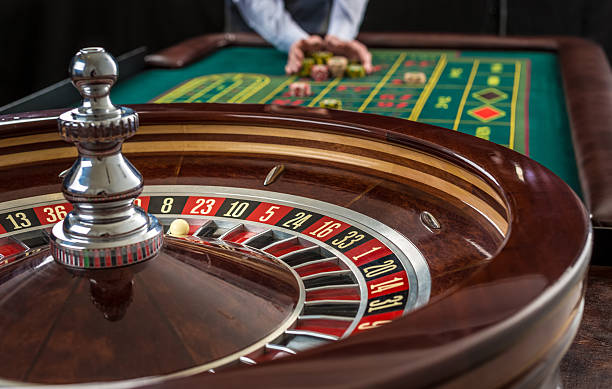
Slot Bunny Casino: A Modern Gambling Experience
Slot Bunny Casino embodies the evolution of gambling into the digital age, offering a comprehensive gaming platform designed for today’s players. With a vast selection of popular slot games and live table options, the casino caters to a diverse audience seeking excitement and rewards. The integration of cutting-edge technology ensures a smooth gaming experience, allowing players to explore various games effortlessly.
In addition to a remarkable collection of games, Slot Bunny Casino provides generous bonuses and rewards, enhancing the overall gaming experience. The 240% welcome bonus serves as an enticing invitation for new players, while the 24-hour crypto cashouts provide a seamless transaction process, reflecting the current trends in online gambling. This commitment to providing a modern and enjoyable gaming environment highlights the casino’s dedication to evolving with the industry.
As gambling continues to evolve, Slot Bunny Casino stands at the forefront, integrating innovative features and maintaining a player-centric approach. This platform not only celebrates the rich history of gambling but also embraces the future, offering players a unique and captivating experience in the world of online gaming.