

Understanding the psychology behind gambling behavior in casinos
The Allure of Gambling: Why People Play
The psychology of gambling is rooted in a complex interplay of emotions, thrill-seeking, and social dynamics. Many individuals are drawn to the allure of casinos due to the excitement and the potential for financial gain. The anticipation associated with placing bets and the adrenaline rush that follows can create a powerful psychological reward, reinforcing the behavior. This rush often leads players to return, hoping to replicate the euphoric feelings associated with wins, no matter how rare they might be. For those interested in quick payouts, a fast withdrawal casino offers an appealing option.

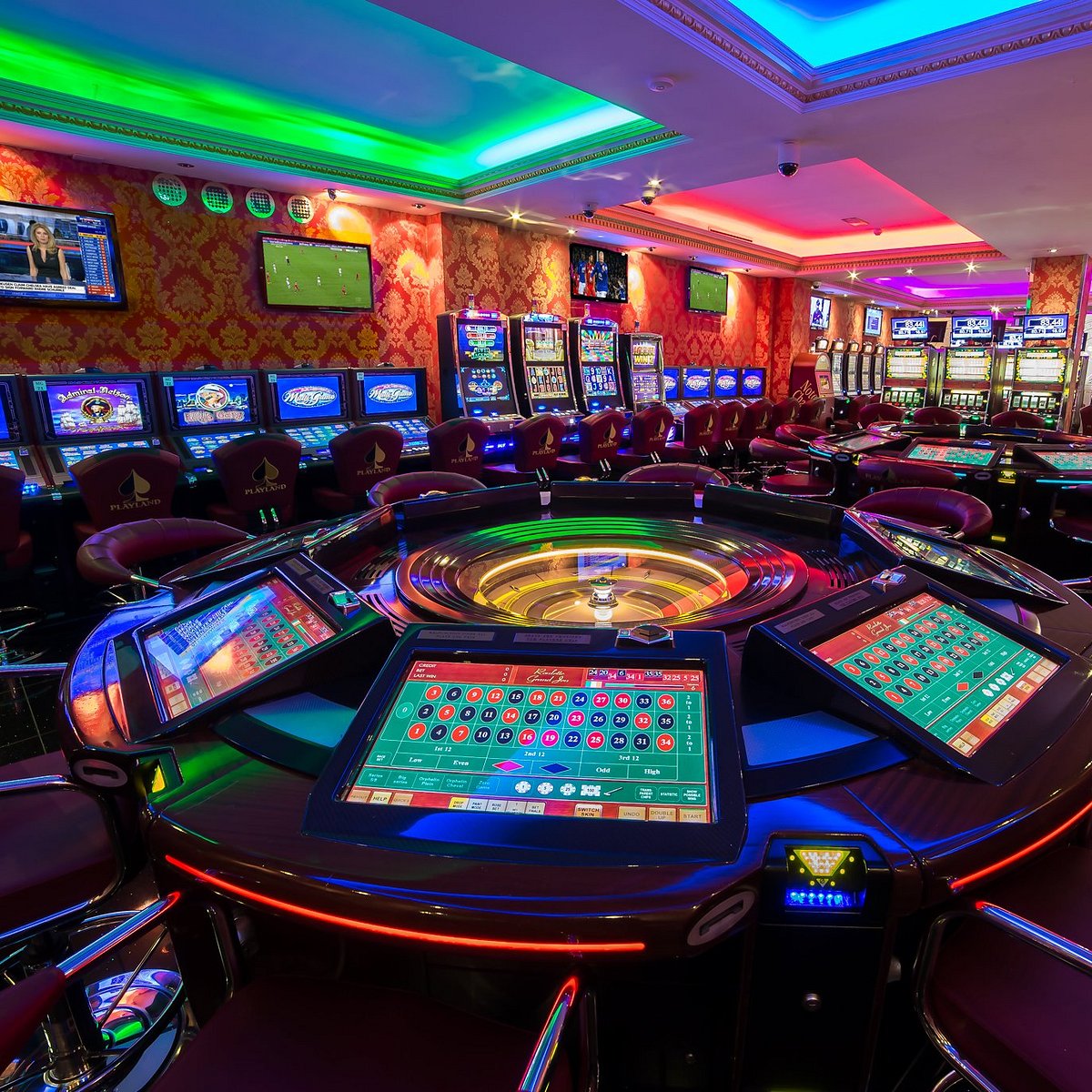
Additionally, the environment within a casino plays a significant role in attracting and retaining players. The sights, sounds, and atmosphere are carefully designed to stimulate the senses and heighten emotions. Bright lights, engaging sounds, and an overall festive ambiance create an intoxicating environment that encourages prolonged engagement. This carefully curated setting not only captures attention but also influences decision-making, making players more likely to place bets and engage in riskier behaviors.
Cognitive Biases in Gambling
Cognitive biases significantly shape gambling behavior by altering perceptions of risk and reward. One of the most prominent biases is the illusion of control, where gamblers believe they can influence the outcome of games through their skill or strategy. This can lead to increased participation and larger bets, despite the inherent randomness of casino games. Such beliefs often result in players ignoring statistical realities, further entrenching them in the gambling cycle.
Another common cognitive distortion is the gambler’s fallacy, which is the mistaken belief that past events can influence future outcomes in games of chance. For instance, if a player experiences several losses, they may feel that a win is “due” to happen soon. This thinking can lead to escalating bets and prolonged gambling sessions, driven by the hope that luck will eventually turn in their favor. These cognitive biases contribute to the overall psychology behind gambling behavior, making it challenging for individuals to recognize when their habits are becoming problematic.
The Role of Emotion in Gambling
Emotion plays a crucial role in gambling behavior, influencing decisions and outcomes. Many gamblers seek out the thrill and excitement that comes with betting, using it as a way to escape from daily stresses or emotional challenges. This emotional connection to gambling can create a cycle where individuals return to casinos not just for the potential winnings, but also for the emotional highs associated with play. These moments of joy can overshadow the risks involved, leading to a disregard for responsible gambling practices.
Furthermore, emotional responses can be triggered by both wins and losses. Winning may lead to euphoria, while losing can result in frustration or despair. These fluctuating emotions often influence players’ future decisions, potentially leading them to chase losses in an attempt to regain a sense of control or satisfaction. This emotional rollercoaster can make gambling feel more enticing, yet also more perilous, as players may become caught in a cycle of highs and lows that can be hard to break.
The Impact of Social Influences
Social dynamics play an important role in gambling behavior, as many individuals gamble in social settings. The presence of friends or peers can amplify the excitement and enjoyment of gambling, creating a shared experience that can encourage continued participation. This social aspect not only makes the activity more enjoyable but can also normalize gambling behaviors, leading to an increase in frequency and intensity of play.
In addition, social influences can manifest through the promotion of gambling in popular culture and media. Movies, television shows, and advertisements often glamorize casino life, depicting it as a glamorous and thrilling experience. This portrayal can lead to increased interest in gambling activities, especially among younger audiences, who may be more susceptible to these influences. As such, understanding the impact of social dynamics is crucial for addressing responsible gambling practices and fostering a healthier relationship with gaming.
Fast Withdrawal Casino: Your Guide to Responsible Gaming
Fast Withdrawal Casino aims to support players by providing insights into responsible gaming practices and safe betting environments. By focusing on UK online casinos that offer quick withdrawals, our platform ensures that users can enjoy their winnings without unnecessary delays. This emphasis on accessibility allows players to engage in gambling activities while maintaining a sense of control over their finances.
Moreover, we prioritize security and fairness, featuring only licensed operators that adhere to strict standards set by regulatory bodies. By promoting responsible gaming, we encourage individuals to understand the psychology behind gambling behaviors and make informed choices. Our goal is to create a community where players can enjoy the thrill of casinos while remaining mindful of their gaming habits.